4Sir2 Smoothy: Building a Healthy Drink Ecosystem to Prevent Childhood Obesity

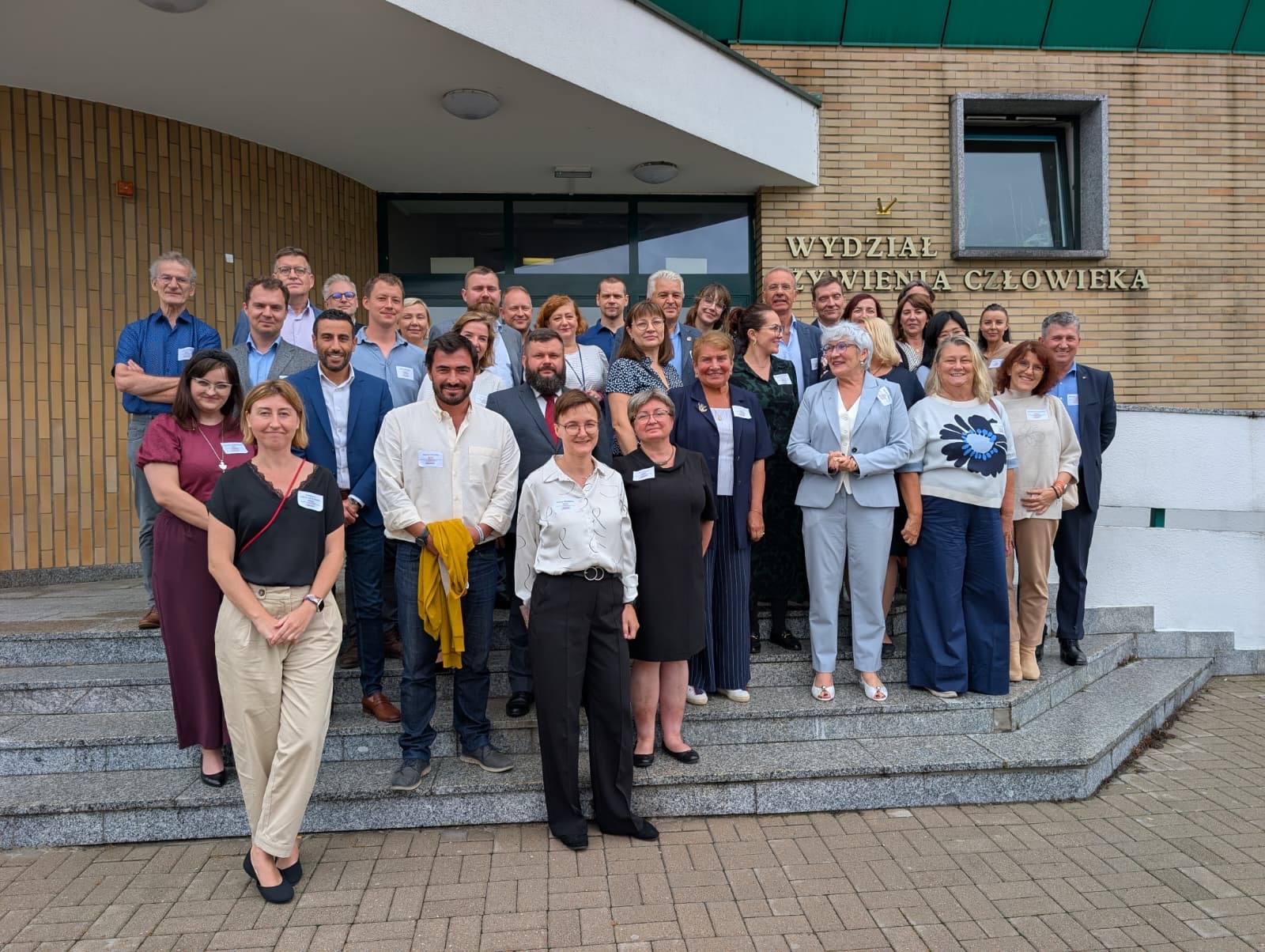
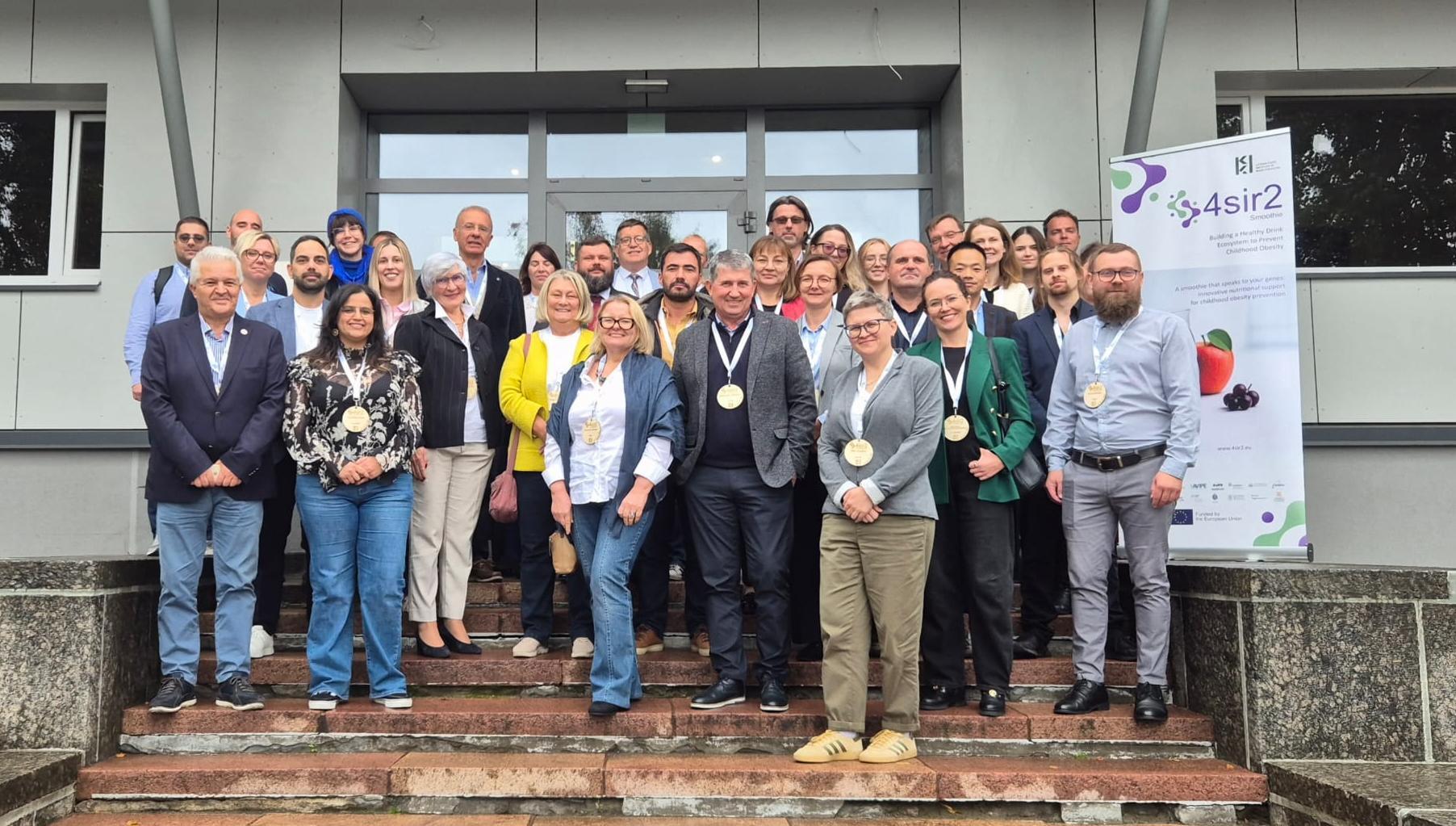
4Sir2-GroupPhoto

About 4Sir2


Aim of the project:   development of a functional drink based on apple or grape juice, enriched with resveratrol and polyphenols from grape pomace, supporting the fight against childhood obesity by activating sirtuin genes.


Start date:             2025-09-01
Completion date:  2030-02-28
Project status:       in progress
Topic:                     Bioeconomy
CORDIS:                101181746
Scope of the project:    Belgium, Greece, Latvia, Moldova, Germany, Poland, Portugal, United Kingdom, Italy


SUSTAINABLE INNOVATION IN FOOD AND AGRICULTURE


Harnessing Natural Compounds for Health-Oriented Food Innovation


The 4Sir2 project is developing a functional beverage for children affected by obesity, using grape or apple juice enriched with bioactive compounds recovered from red grape-processing by-products, including resveratrol and polyphenols.

The project is investigating how these compounds may influence biological pathways associated with sirtuin activity and metabolic regulation.


4Sir2 combines health-oriented food innovation with technological development in grape cultivation and processing. The project aims to develop the 4Sir2 smoothie while advancing more sustainable production approaches and supporting healthier dietary habits among children, with the potential to influence food choices within families more broadly.


A central element of the project is the circular use of grape-processing by-products. Grape pomace is explored as a source of valuable bioactive compounds that can be recovered and reintegrated into new food applications, linking functional food development with by-product valorisation and more circular production systems.

The project therefore connects functional food innovation, circularity, sustainable production and healthier diets within one integrated research and innovation pathway.


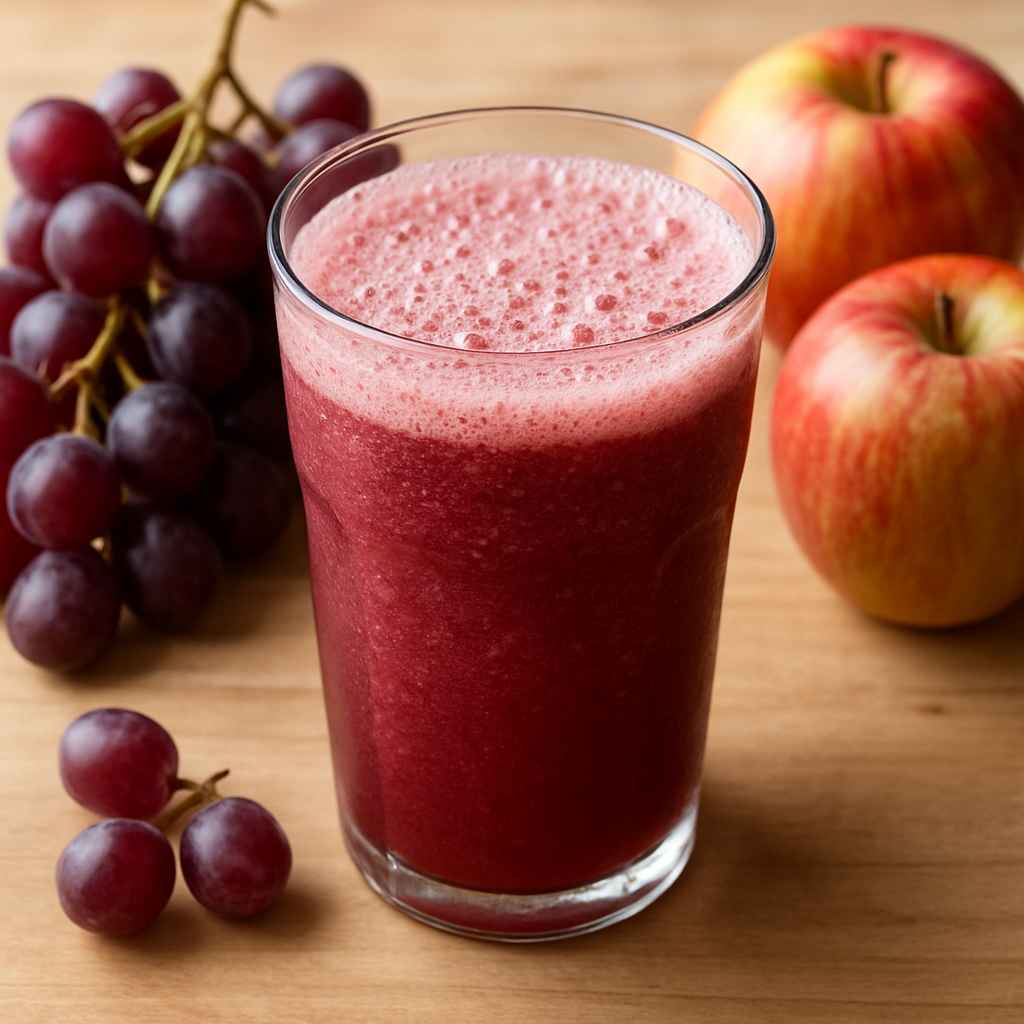
generate a nice cup of healthy fuzzy drink with grapes and apples in the background-1
Industry5.0-HumanMachineInterface
SHAPING THE FUTURE OF SUSTAINABLE FOOD PRODUCTION WITH INDUSTRY 5.0


Co-Creating an Industry 5.0 Deployment Model for the 4Sir2 Value Chain


Our team leads the Industry 5.0 work in 4Sir2, exploring how the project’s emerging value chain can become more human-centric, sustainable and resilient in practice. Our work combines empirical assessment, co-creation workshops and socio-technical analysis to examine how organisations, people, technologies, processes and relationships interact across the value chain, and where barriers, dependencies and opportunities may influence implementation.


We apply a transdisciplinary approach, bringing together scientific, technical, organisational and practice-based perspectives, supported by the project’s Multi-Actor Approach (MAA). Through structured co-creation workshops, relevant value-chain actors contribute their knowledge and operational experience to jointly explore, challenge and refine possible approaches to Industry 5.0 implementation, helping identify practical conditions, organisational requirements and alternative pathways for change.


The combined evidence generated through our research will contribute to the development of a value-chain-specific Industry 5.0 deployment model for 4Sir2, focused on how human-centricity, sustainability and resilience can be translated into practical organisational and value-chain arrangements under real operating conditions.

More information about 4Sir2 on the project website.

4SIR2 UPDATES

Latest from our work in 4Sir2

News, milestones and reflections from Better Organisations’ work in the 4Sir2 project.

Our Partners:


4Sir2 Coordinator:


CBI pro-akademia


Partners:


AVIPE CELABORCentrum Prawa ŻywnościowegoPolish Mother's Health Center InstitutePolish Association of Juices ProducersLatvian State Institute of Wood ChemistryVinaria PurcariŁukasiewicz Research Network

Warsaw University of Life SciencesTYMBARK-MWSUniversity of HohenheimUniversity of Tuscia


University of Western MacedoniaVELTHA


en_fundedbytheeu_rgb_pos

Funded by the European Union. Views and opinions expressed are however those of the author(s) only and do not necessarily reflect those of the European Union or the European Research Executive Agency (REA). Neither the European Union nor the granting authority can be held responsible for them.